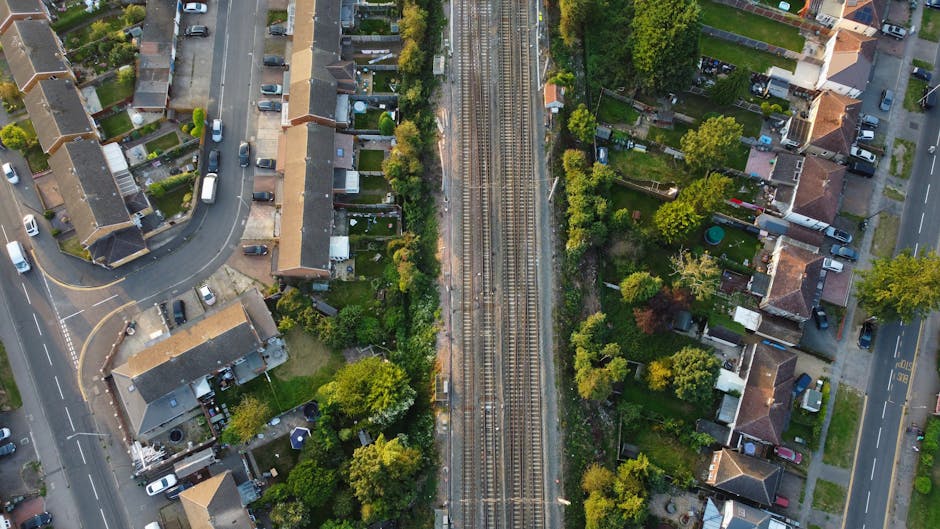
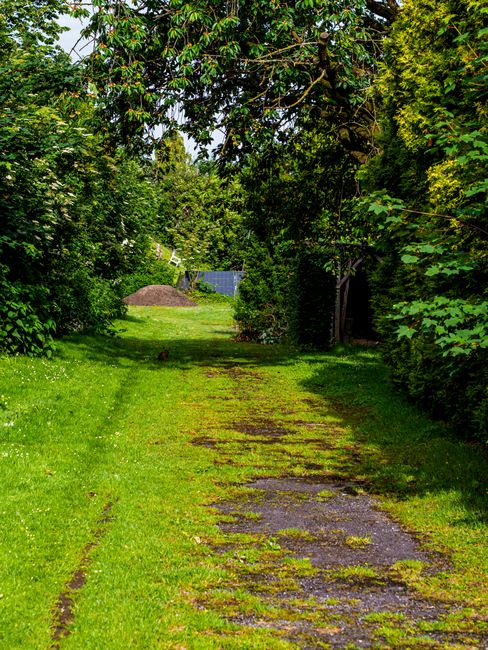
Knockholt Station homes garden clearance by Gardeners Cudham
If your outdoor space has started to feel more like a storage plot than a garden, you are not alone. In Knockholt Station and the surrounding local area, homes often need a proper reset after a season of growth, bad weather, busy family life, or simply a few too many things being left "for later". This guide explains Knockholt Station homes garden clearance by Gardeners Cudham in a clear, practical way: what it involves, when it makes sense, what to expect, and how to prepare for a smooth job from start to finish.
Garden clearance is not just about making things look neat for a weekend. Done well, it improves safety, opens up light, protects surfaces and planting areas, and gives you a better starting point for any future work. If the job is bigger than a tidy-up, or if you are dealing with ivy, overgrowth, awkward waste, or a neglected corner that has gone a bit wild, the right approach matters. Let's get into it.
Why Knockholt Station homes garden clearance by Gardeners Cudham Matters
A garden can become unmanageable surprisingly quickly. One damp spring, one windy winter, a couple of months of skipped maintenance, and suddenly the beds are full of self-set growth, the paths are slick, and the hedge is doing its own thing. For homes near Knockholt Station, that often means the garden stops being useful. You may avoid it, not because you do not care, but because it feels like too much all at once.
That is where garden clearance earns its keep. It creates breathing room. It removes the material that blocks movement, hides hazards, and competes with healthier growth. It also helps you see the garden as it really is. Truth be told, some gardens look "fine" until the clutter is gone and then the actual shape of the space comes back into view. That clarity is useful whether you want to replant, redesign, or simply enjoy the space again.
There is a practical side too. Overgrown gardens can encourage weeds, harbour pests, make edging and mowing harder, and put pressure on fences, decking, and patios. If you are already thinking about longer-term improvements, it may be worth looking at broader garden maintenance support as well, because clearing is often only the first step in getting a garden back under control.
And then there is the emotional side. A cleared garden feels calmer. You hear the birds better. You notice the light. You stop having to step over that one awkward pile by the shed. Small thing? Maybe. But it makes a difference.
How Knockholt Station homes garden clearance by Gardeners Cudham Works
Garden clearance is usually tailored to the condition of the property, so no two jobs look exactly the same. A small front garden with leaf build-up needs a different approach from a rear garden with bramble, ivy, and a compost heap that has become a mystery zone. In practice, the work tends to follow a sensible sequence.
1. Initial assessment
The first step is to look at the garden properly. What is overgrown? What is dead, damaged, or simply in the way? Are there access issues, slippery surfaces, fragile plants, or heavy waste to move? This is where experience really helps, because not everything that looks messy needs removing, and not everything that looks alive is worth keeping. The goal is to make good decisions, not just to cut everything down.
2. Clear the obvious clutter
This usually includes fallen branches, leaf fall, loose cuttings, old pots, broken garden items, and general outdoor debris. If a garden has been left for a while, the first layer can hide all sorts of surprises. Sometimes that is a forgotten trellis. Sometimes it is a stubborn root mat. Sometimes, well, it is just a lot of soggy leaves with opinions.
3. Cut back overgrowth
Overgrown shrubs, self-seeded plants, tangled climbers, and unruly hedging are typically cut back to restore shape and access. If ivy has taken hold on walls, fences, or trees, it needs careful handling. For a closer look at that issue, the article on ivy removal tips is a useful companion read.
4. Separate waste streams where sensible
Good clearance work is not just about removal. It also means sorting waste properly where practical. Green waste, woody waste, and mixed materials are often handled differently. If you are interested in how organic waste can be reused rather than simply thrown away, take a look at transforming organic waste into beneficial soil energy.
5. Final tidy and walk-through
Once the main material is removed, the space should be left tidy and more usable. Edges become visible again, access improves, and any next-stage work becomes easier to plan. That final walk-through matters. It is the difference between "cleared" and genuinely ready.
Key Benefits and Practical Advantages
Garden clearance is one of those jobs that gives back more than people expect. The obvious benefit is space, but there are several others that matter just as much.
- Better access: Paths, borders, sheds, gates, and seating areas become easier to reach and use.
- Improved safety: Less trip hazard, less slippery build-up, fewer hidden obstacles.
- Healthier planting conditions: Clearing can reduce competition from weeds and invasive growth.
- More light and air movement: Plants and surfaces dry out faster and the garden feels less enclosed.
- Stronger first impression: Handy if you are preparing to sell, rent, or welcome guests.
- Easier maintenance later: Once the bulk work is done, regular care becomes simpler and quicker.
There is also a design benefit people often miss. Clearing a garden helps reveal where the important features really are. You may notice that a small seating spot is worth keeping, or that a hedge should be trimmed differently, or that a side return could be used better. In that sense, clearance is not just cleanup. It is information.
If your aim is to move from one-off clearance into a cleaner ongoing routine, services such as lawn mowing, lawn care, or even patio cleaning can make the overall result last longer and look more intentional.
Who This Is For and When It Makes Sense
Not every garden needs a full clearance. Sometimes a light tidy and seasonal cut-back is enough. But there are clear situations where a more thorough job is the sensible option.
- You have inherited a garden that has been neglected for months or years.
- Growth is blocking access to a shed, bin store, side gate, or rear fence.
- Weeds, brambles, or self-seeded shrubs are taking over beds and borders.
- You are preparing for landscaping, new planting, or a redesign.
- You need to make a rental property safer and more presentable.
- You want to reclaim space around a patio, deck, or seating area.
It also makes sense after poor weather. A run of wet and windy weeks can leave a garden full of broken material and flattened growth. If that sounds familiar, it may help to read about safeguarding your garden against extreme weather conditions, because prevention and clearance often go hand in hand.
For family gardens, dog-friendly spaces, or homes with young children, clearance is especially useful because it reduces hidden hazards. For those planning a new layout, articles like designing a garden that's perfect for children and cultivating a dog-friendly garden adventure can help shape the next stage.
Step-by-Step Guidance
If you are preparing for Knockholt Station homes garden clearance by Gardeners Cudham, here is a simple way to think about the process from a homeowner's point of view.
- Walk the garden first. Note the worst areas, any fragile features, and where access is tight.
- Decide what must stay. Keep mature shrubs, bulbs, herbs, or structural plants you still value. If you are unsure, mark them out before work starts.
- Remove loose waste. Bag small debris, move ornaments, and clear any items that can be relocated without effort.
- Prioritise safety and access. Make sure gates, paths, and working areas are open. A crowded workspace slows everything down.
- Cut back in stages. For heavy growth, gradual reduction is often cleaner and safer than one aggressive cut.
- Tackle roots and invasive growth. This is where patience helps. Some plants return if the root system is left behind.
- Sort and remove waste. Green waste, woody material, and mixed rubbish need sensible handling.
- Inspect the result. Check for missed corners, hidden rubbish, broken edging, or recurring growth.
One useful rule of thumb: if a section of the garden feels confusing, slow down there. Do not just attack it. A few thoughtful minutes can save an hour of rework later. That is especially true in older gardens where planting has layered up over time.
Expert Tips for Better Results
A decent clearance job is good. A carefully planned one is better. Here are some practical tips that make the result stronger and easier to maintain.
Work with the garden's natural structure
Before cutting back too much, look at what is providing shape. A hedge, a mature climber, or a simple line of shrubs may still be useful even if they are messy. Removing structure by accident is a common mistake, and once it is gone, you cannot quickly put it back.
Be selective with self-seeded growth
Some self-seeded plants are just weeds in disguise. Others are harmless, even useful. A quick visual check can prevent you from removing something you may want later. If you are building a more low-maintenance garden, the blog on budget-friendly low-maintenance garden tips is worth a read.
Think beyond the cut
What happens after clearance matters. If the cleared area is immediately replanted, mulched, or edged, the result will hold its shape better. If not, weeds often return. Fast.
Match the clearance to the next goal
If the space is heading toward seating, privacy planting, or a child-safe layout, the clearance should support that goal. For example, clearing a corner to create a bench area is different from clearing a bed for vertical planting or privacy hedging. A little planning now stops the same work being repeated later.
Do not ignore nearby hard landscaping
Overgrowth often stains, shades, or damages patios, fences, and timber features. If those areas need attention too, it can be worth thinking in joined-up terms. A cleared garden paired with tidy hard surfaces looks finished rather than half-done.
Common Mistakes to Avoid
Most garden clearance problems come from rushing. To be fair, when a garden looks tangled and overwhelming, rushing is tempting. But it often creates more work.
- Cutting too much too quickly: This can damage healthy growth and leave the garden bare in the wrong places.
- Ignoring roots: Many invasive plants return if the underground part is not addressed.
- Mixing waste carelessly: Not all material can be handled the same way.
- Leaving hazards behind: Broken glass, old fixings, nails, and hidden rubble can be easy to miss.
- Forgetting the next step: Clearance without follow-up maintenance tends to slide backwards.
- Working without a plan: This is how useful plants get removed by mistake.
Another common mistake is treating all "mess" as the same problem. It is not. Leaf litter, bramble, ivy, deadwood, and neglected lawn all behave differently. They need different handling. That sounds obvious, but in real gardens, obvious things get overlooked all the time.
Tools, Resources and Recommendations
The right tools make clearance safer and more efficient. For a homeowner, a few simple items can help with preparation before a team arrives. For larger work, specialist kit is usually more appropriate.
| Task | Useful tools | Why it helps |
|---|---|---|
| Light tidy-up | Gloves, sturdy bags, rake, hand shears | Good for leaves, small cuttings, and loose debris |
| Overgrowth removal | Loppers, hedge trimmers, pruning saw | Helps manage thicker stems and unruly growth |
| Ivy and climbers | Secateurs, hand saw, protective gloves | Makes careful removal safer around fences and walls |
| Waste handling | Heavy-duty sacks, barrow, tarpaulin | Speeds up collection and reduces repeated trips |
| Surface finishing | Broom, edging tools, pressure or patio cleaning equipment | Leaves the space looking properly finished |
If you are gathering your own kit, the article on essential gardening gear for outdoor lovers is a practical place to start. For people who want to build more resilient planting after clearance, the website's guides on ground covers and evergreen climbers can help with the replanting stage.
If the space has become a complete blank canvas, it may also be useful to think about future layout and access, not just cleanliness. A cleared plot can become a better garden with very ordinary choices: one clear path, one seating area, one planting zone. Simple often works best.
Law, Compliance, Standards, or Best Practice
Garden clearance is usually straightforward, but there are still sensible UK best-practice points to keep in mind. Waste from the garden should be handled responsibly, and mixed rubbish should not be treated the same as green waste. If items include sharp debris, treated timber, or anything potentially contaminated, they need more careful sorting.
There is also a safety side. Clear work areas, controlled cutting, safe lifting, and sensible use of tools all reduce the chance of injury. For homeowners, the main point is simple: if the garden is awkward, overgrown, steep, or filled with hidden debris, do not assume it is a quick DIY job. Sometimes it is. Sometimes it really, really is not.
Public-facing work should also respect privacy, access, and property boundaries. If clearance affects fences, shared boundaries, or trees with overhanging growth, it is wise to check ownership and responsibilities before going further. For jobs that touch on bigger structural or safety concerns, the service pages on tree surgery, fencing, or landscaping may be relevant to the wider plan.
From a trust point of view, it is also sensible to review a company's health and safety policy, insurance and safety information, and payment and security details before booking. These are boring pages, yes. But they matter.
Options, Methods, or Comparison Table
There are usually three broad ways to approach a garden clearance. The right one depends on the size of the space, the level of overgrowth, and what happens after the clearance.
| Method | Best for | Pros | Trade-offs |
|---|---|---|---|
| DIY light clearance | Small gardens, leaf build-up, basic tidying | Low cost, flexible timing | Time-consuming, harder with heavy waste or dense growth |
| Partial professional clearance | Specific problem areas, overgrown beds, access issues | Targeted help, good value, less disruption | May still leave some follow-up work for later |
| Full garden clearance | Severely neglected gardens, pre-renovation prep | Fast reset, clearer result, easier next-stage planning | Usually the biggest job, and sometimes the most disruptive on the day |
For many homeowners, the middle option is the sweet spot. You do not always need every square metre stripped back. You may just need the parts that block access, hide the structure, or make future maintenance difficult. That balance is often missed in weaker advice online, which tends to treat all gardens as if they were the same. They are not.
Case Study or Real-World Example
Imagine a semi-detached home near Knockholt Station with a rear garden that has been left alone through winter. By early spring, the path is half hidden under leaf build-up, the hedge is loose at the top, brambles have pushed into the side return, and the patio is covered with debris. The owner wants to use the space again but does not want a full redesign yet.
In a situation like that, the sensible approach is not to start with big ideas. It is to clear the pressure points first. The access route is reopened, the patio is cleaned back to a usable state, the overgrowth around the fence line is cut away, and the worst invasive growth is dealt with carefully. Once that is done, the garden immediately feels different. It is quieter, oddly enough. More breathable.
Then the owner can make better choices. Maybe the cleared edge becomes a herb bed. Maybe the back corner is kept open for seating. Maybe the hedge is reshaped for privacy rather than hacked down. If the property needs a more permanent tidy-up plan, an ongoing service like garden maintenance can stop the whole thing slipping back again.
The real point of the example is this: clearance is not only about removing problems. It is about restoring options. That's the bit people remember later.
Practical Checklist
Use this checklist before, during, or after a clearance project. It keeps things simple.
- Identify the areas that block access or feel unsafe.
- Mark any plants, bulbs, or features you want to keep.
- Clear obvious loose items from the garden first.
- Check for hidden debris, sharp objects, or broken fixtures.
- Separate green waste from general rubbish where possible.
- Decide whether the next step is mowing, pruning, replanting, or hard-surface cleaning.
- Look at where weeds, ivy, or climbers may return.
- Consider whether fences, patios, or decking also need attention.
- Review safety, access, and waste removal arrangements.
- Book follow-up maintenance so the garden does not drift back into chaos.
If you want to shape the result into something more usable and pleasant, explore ideas for perfect garden seating spots, or think about structure and privacy using top hedges for rapid privacy growth. That next layer is where a cleared garden starts becoming your garden again.
Conclusion
Knockholt Station homes garden clearance by Gardeners Cudham is best understood as a reset service with real practical value. It helps you reclaim space, reduce risk, reveal what the garden actually needs, and set up everything that comes next. Sometimes that next step is simple maintenance. Sometimes it is a bigger improvement. Either way, a proper clearance gives you a clean start rather than a messy compromise.
The best results usually come from thoughtful work: clear what is genuinely in the way, protect what still has value, and leave the space ready for the future rather than just emptied out. That is the difference between a quick tidy and a job that actually changes how you use the garden.
Get a free quote today and see how much you can save.
Frequently Asked Questions
What does garden clearance usually include?
It normally includes removing overgrowth, cutting back problem areas, collecting green waste, clearing debris, and leaving the space tidier and more usable. Depending on the garden, it may also involve ivy removal, bramble reduction, or clearing access routes.
Is garden clearance the same as regular maintenance?
Not really. Maintenance is ongoing and usually lighter in scope. Clearance is more intensive and is used when a garden has become cluttered, overgrown, or difficult to manage. After clearance, maintenance is often the best follow-up.
How do I know if my garden needs a full clearance?
If paths are blocked, weeds and self-seeded growth are taking over, or you cannot easily use the space, a full or partial clearance may be the right call. If you are spending more time avoiding the garden than using it, that is a pretty good clue.
Can a clearance job help if ivy has taken over fences or walls?
Yes, although ivy needs careful handling because it can cling hard and return if not removed properly. A targeted approach is often needed, especially where ivy has spread across timber or masonry.
What should I do before a clearance visit?
Move personal items, mark anything you want kept, and make access as clear as possible. If there are fragile plants or features you are worried about, point them out before work begins.
Will garden clearance damage my existing plants?
It should not, if it is done carefully. A good clearance aims to preserve healthy, useful planting wherever possible. This is why a brief assessment at the start matters so much.
What happens to the waste after clearance?
Green waste and mixed debris are normally handled separately where practical. Responsible waste handling is part of a professional job, not an afterthought. That bit is easy to overlook, but it matters.
Can clearance make a small garden feel bigger?
Absolutely. Clearing visual clutter, reopening paths, and reducing overgrowth can make a compact garden feel more open, brighter, and easier to move through. Small spaces benefit from this more than most people expect.
Is it worth combining clearance with other services?
Often, yes. A cleared garden can benefit from mowing, hedge trimming, patio cleaning, or broader landscaping work. Combining tasks usually gives a more complete and longer-lasting result.
How often should a garden be cleared?
That depends on how fast it grows and how much use the space gets. Some gardens need seasonal clearances, while others only need occasional larger interventions. A heavy-growth garden will ask for more attention, simple as that.
What if my garden is badly neglected?
Start with the worst access and safety issues first. A neglected garden does not need to be "fixed" in one day. It just needs a sensible first step, then a second one. That approach is usually calmer, cheaper to manage, and far less overwhelming.
How can I keep the garden from becoming cluttered again?
Use a maintenance rhythm: light weeding, seasonal cutting back, waste removal, and occasional checks on fast-growing areas. It does not need to be perfect. It just needs to be regular enough that the garden never gets a full takeover again.