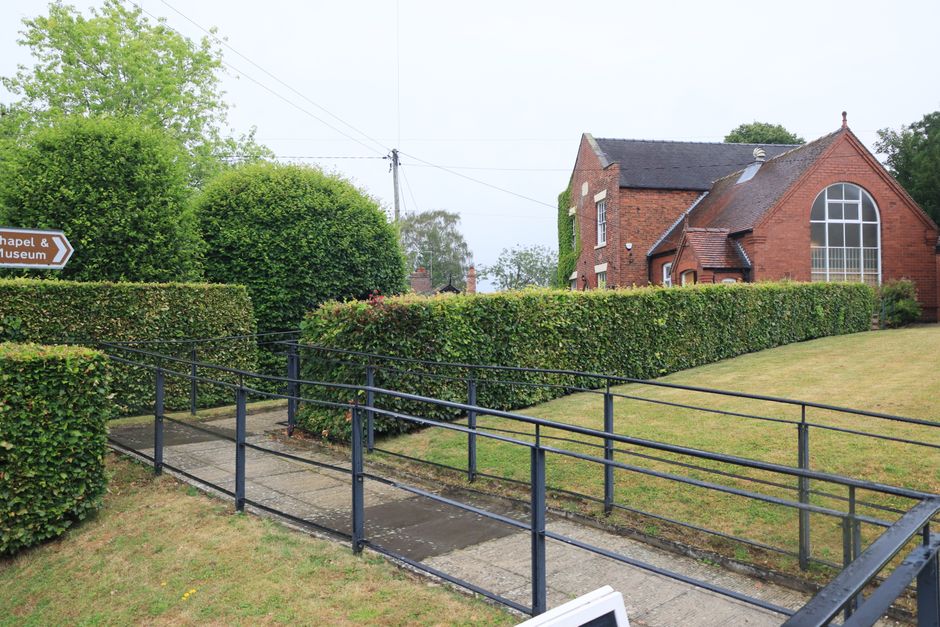
Downe Church Front Garden Makeover by Professional Gardeners: A Practical Guide to Getting It Right
If you have ever walked past a tired church frontage and thought, "That space could be beautiful with the right hands on it," you are not alone. A Downe Church front garden makeover by professional gardeners is about more than a neat border or a few new plants. It is about shaping the first impression of a place, improving access, lifting the whole setting, and making the entrance feel cared for in every season.
Church front gardens have a funny kind of responsibility. They need to look welcoming, stay manageable, work for foot traffic, and still feel appropriate to the building beside them. That is a lot to ask from a patch of soil, especially if it has been neglected for a few years. In this guide, we will look at what a professional makeover actually involves, why it matters, and how to plan it properly without overcomplicating the job. A bit of structure goes a long way here, truth be told.
For readers comparing options, it can also help to understand how wider outdoor services fit together. A project like this may sit alongside general gardening support, landscaping work, or longer-term garden maintenance. And if you are still at the early stage of planning, it never hurts to learn a little about the team behind the work via the about us page.
Table of Contents
- Why Downe Church Front Garden Makeover Matters
- How the Makeover Works
- Key Benefits and Practical Advantages
- Who This Is For and When It Makes Sense
- Step-by-Step Guidance
- Expert Tips for Better Results
- Common Mistakes to Avoid
- Tools, Resources and Recommendations
- Law, Compliance, Standards, or Best Practice
- Options, Methods, or Comparison Table
- Case Study or Real-World Example
- Practical Checklist
- Conclusion
- Frequently Asked Questions
Why Downe Church Front Garden Makeover by Professional Gardeners Matters
A church front garden is not just decorative. It sets the tone before anyone reaches the door. Visitors notice whether the entrance feels calm, respectful, tidy, and easy to approach. Locals notice too. So do people arriving for weddings, services, funerals, community events, or simply passing by on a damp Tuesday morning when the place needs to look quietly cared for.
Professional gardeners bring something important to the table: judgement. Anyone can plant a few shrubs. Not everyone can judge scale, balance, seasonal interest, drainage, shade, maintenance effort, and accessibility all at once. That is where a makeover becomes genuinely useful rather than just cosmetic.
Church front spaces often have a mix of challenges: compact beds, tired turf, compacted soil, awkward edges, mature hedging, patchy light, and a need to keep routes clear. A thoughtful redesign can solve those issues while still respecting the character of the building. The best results usually feel calm rather than showy. That suits a church frontage very well.
There is also the practical side. A well-planned front garden can reduce ongoing weeding, improve drainage, make mowing simpler, and help the site look good with less effort through the year. In our experience, that long-term ease matters just as much as the initial reveal. No one wants a beautiful border that turns into a weekly headache.
How Downe Church Front Garden Makeover by Professional Gardeners Works
The process usually starts with a site assessment. This is the point where gardeners look at what is already there: soil condition, existing planting, hedge structure, hard landscaping, drainage patterns, access points, and any areas that are visually cluttered or physically awkward. It sounds basic, but skipping this stage is where many amateur projects go off course.
From there, the team will usually agree the goals. Is the priority a more welcoming entrance? Better visibility from the road? A low-maintenance scheme? A softer planting style? Improved year-round colour? If the answer is "all of the above," that is fine, but the priorities still need ranking. Otherwise the scheme gets messy very quickly.
The next step is design. That can be simple or fairly detailed depending on the scale of the space. Professional gardeners will consider plant height, spread, flowering periods, structure in winter, and how much effort each choice will need. They may also factor in wildlife value, drought tolerance, and whether the planting needs to stay neat beside paths or steps.
Once the design is agreed, the preparation begins. That might include clearing debris, removing weeds, cutting back overgrowth, edging borders, improving soil, and repairing small problem areas before any planting starts. If there is a lot of old ivy or self-seeded clutter, a targeted approach is better than just hacking everything back. For thorny, rooted, or invasive growth, the guidance in this ivy removal article is a helpful companion read.
After preparation comes installation: planting, mulching, reshaping edges, adding gravel or edging if needed, and making sure everything sits properly in relation to the building. Finally, there is the finishing stage. That includes tidy lines, swept paths, checked access, and a brief maintenance plan so the church team knows what happens next. Small detail, big difference.
Key Benefits and Practical Advantages
The most obvious benefit is appearance, of course. A refreshed front garden makes the whole site feel more cared for. But there is more to it than that. A professional makeover can make the entrance easier to use, especially for older visitors, families with pushchairs, or anyone arriving in wet weather and needing a clear route.
Another major benefit is consistency. Churches often need the front to look presentable across the whole year, not just for one photo after the work is done. Professional gardeners design with seasons in mind. That means winter structure, spring lift, summer colour, and autumn tidiness all have a role to play.
Maintenance savings are easy to overlook at the start. A well-chosen planting scheme can reduce labour, watering, and frequent cutting back. It can also cut down on those "just one more thing" jobs that quietly eat time. If you want a lower-effort planting style, ideas from these low-maintenance garden tips are relevant here.
There can be ecological gains as well. Thoughtful plant selection supports pollinators, improves soil health, and can make better use of rainwater. It is not about turning the front of a church into a wilderness, not at all. It is about using planting intelligently so the space works harder without looking overworked.
Expert summary: The best front garden makeovers are not the most dramatic ones. They are the ones that look right from the gate, work in poor weather, and stay manageable after the initial excitement has faded.
Who This Is For and When It Makes Sense
This kind of project makes sense for church committees, caretakers, parish volunteers, and anyone responsible for maintaining the appearance of a community-facing frontage. It is especially relevant if the current garden feels uneven, patchy, overgrown, or simply too high-maintenance for the people looking after it.
It also makes sense when the space no longer matches its surroundings. Maybe the building has been well kept, but the front garden has slipped behind. Maybe the existing layout blocks the entrance, or the planting looks heavy in one season and bare in another. Maybe the area has become weedy enough that the whole space feels slightly apologetic. We have all seen that sort of entrance. It happens.
Professional help is also worth considering after storms, long periods of neglect, or building works that have left the frontage muddled. If the site has wind exposure, poor drainage, or damage from extreme weather, it is smarter to plan the makeover around those realities rather than pretend they do not exist. There is useful background on that in this guide to protecting gardens from extreme weather.
For churches that host regular community events, a makeover can also improve the experience for visitors. The front garden becomes part of the welcome, not just a strip of land to pass through on the way to somewhere else. That shift in feeling matters more than people think.
Step-by-Step Guidance
If you are planning a church frontage refresh, this is the most sensible way to approach it. Keep it grounded. Keep it ordered. That is usually the difference between a satisfying project and a messy, half-finished one.
- Walk the site properly. Look at the garden from the approach, from the doorway, and from the roadside if relevant. What do people see first? What feels cluttered? What feels flat or forgotten?
- Define the purpose. Decide whether the main goal is welcome, access, low maintenance, better planting, or a combination of all four.
- Check the site conditions. Note sun, shade, wind, soil texture, drainage, and existing roots or hard surfaces.
- Remove problem growth. Clear weeds, cut back overgrown shrubs, and deal with invasive material before making design decisions.
- Plan structure first. Edges, beds, hedges, and pathways come before ornamental details. The bones matter.
- Choose plants for the actual site. Pick varieties that suit the light levels and the amount of upkeep available.
- Add soil improvement where needed. Compost, mulch, and proper cultivation help new planting settle faster.
- Install and finish neatly. A professional finish includes crisp edges, clean paths, and no stray debris left behind.
- Set a maintenance rhythm. Agree on seasonal tasks so the front garden does not slide back into neglect.
It sounds straightforward because, in practice, the best projects are. The skill is in doing each stage properly rather than rushing to the plants and hoping for magic.
If the frontage includes hedges, keep them in line with the overall design. A good reference point is this piece on hedge trimming techniques, which explains why clean structure changes the whole feel of a site. For routine care after the makeover, hedge trimming support can help keep the shape crisp over time.
Expert Tips for Better Results
First, do not overplant. Church front gardens often look better with a restrained palette than with too many competing shapes and colours. A few well-chosen shrubs, perennials, bulbs, and groundcovers usually create a more coherent impression than a crowded mix. Less, but better.
Second, think in layers. Structure at the back, medium planting in the middle, lower plants or groundcover at the front. That simple rule creates depth without clutter. If the space has awkward bare patches, groundcovers can be very effective. There is a useful overview in this ground cover guide.
Third, use evergreen material carefully. Evergreen shrubs and climbers bring winter structure, which matters a lot at a church entrance when the rest of the garden has gone a bit sleepy. Shade-friendly climbers can soften walls and fences without making the frontage look heavy. You can explore the idea further in this article on evergreen climbers.
Fourth, protect the access lines. It is easy to get excited about planting and forget that people need to move safely from gate to door. Keep sightlines clear, avoid thorny planting where people brush past, and leave room for practical things like deliveries, chairs, wheelchairs, or ceremonial movement.
Finally, make the garden easy to explain. That sounds odd, but it matters. If volunteers or caretakers can understand the scheme in a minute or two, they are far more likely to keep it looking good. Confusing layouts tend to drift. Clear ones hold up.
Common Mistakes to Avoid
One of the biggest mistakes is choosing plants because they look good in a nursery rather than because they suit the site. Sun-loving plants in shade, thirsty plants in dry exposed soil, or high-maintenance bedding in a low-input setting will all create problems later. It is a bit obvious, yet it still happens all the time.
Another common issue is ignoring drainage. If water pools near the entrance or borders stay soggy after rain, new planting will struggle and the frontage will look tired again before long. Fixing structure and soil conditions first saves a lot of grief later.
People also underestimate root competition. Mature trees, old shrubs, and nearby hard surfaces can make border planting harder than expected. This is where a professional assessment can save you from guesswork. If trees are part of the issue, it may be worth looking at broader tree surgery support before the garden is redesigned.
Overcomplicating the design is another one. Too many materials, too many colours, and too many focal points can make a church frontage feel busy rather than welcoming. A church garden should breathe a little. It should feel composed.
And then there is maintenance optimism. Very human, very common. People assume the new layout will somehow take care of itself because it looks tidy on day one. It won't. A good scheme is built to be maintained. That is the whole point.
Tools, Resources and Recommendations
Professional gardeners usually bring the right kit for the job, but it helps to know what good practice looks like. Basic tools for this kind of work often include pruning tools, spades, forks, edging tools, wheelbarrows, rakes, watering equipment, and protection gear for handling thorny or dense growth. For readers who like to understand the kit side of things, this gardening gear guide is a handy overview.
For projects involving planting after removal work, soil improvement matters just as much as the visible finish. Compost and mulch can make a serious difference, especially in older beds where the soil has been worked hard for years. If you are dealing with a lot of cleared material, it is sensible to think about reuse and disposal too. This article on organic waste and soil energy covers the general principle well.
If the redesign includes a rest area, bench, or quiet viewing spot, don't treat seating as an afterthought. The right location changes how the front garden is used. There is a useful article on designing relaxing garden seating spots if you want to think that through more carefully.
For upkeep after the makeover, routine tasks such as mowing, edging, and bed care help preserve the look. Depending on the layout, lawn mowing or lawn care may be part of the ongoing plan. If hard surfaces are included near the entrance, patio cleaning can keep the whole frontage feeling bright and safe underfoot.
Law, Compliance, Standards, or Best Practice
For a church frontage, compliance is usually less about complicated paperwork and more about sensible best practice. That still matters. Public-facing outdoor spaces should be maintained in a way that reduces trip hazards, keeps access clear, and avoids creating unnecessary risk around steps, paths, or edges.
Where machinery, ladders, lifting, or cutting tools are used, safe working practice is essential. Professional teams should have sensible procedures for site safety, manual handling, protective equipment, and managing work around visitors or volunteers. If you are appointing gardeners, it is reasonable to ask how they approach safety. There is no awkwardness in that. It is normal, and wise.
Church sites may also need to consider local access expectations, especially if the front garden forms part of the route for worshippers, event guests, or people with mobility needs. In practical terms, that means keeping entrances clear, avoiding narrow pinch points, and choosing surfaces and planting that do not make movement difficult.
On a broader level, good practice also means respecting the building and its setting. A front garden should fit the site, not overpower it. That is especially true where the frontage has historic character or sits in a sensitive village environment. When in doubt, restraint is usually safer than drama.
For operational reassurance, it can help to review the team's health and safety policy, insurance and safety information, and terms and conditions. If there is ever a concern after work is completed, the complaints procedure should also be clear and easy to follow.
Options, Methods, or Comparison Table
Not every church frontage needs the same kind of makeover. Some spaces benefit from a light tidy and replant. Others need a more complete redesign. A good gardener will match the method to the condition of the site and the long-term maintenance capacity available.
| Approach | Best for | Typical strengths | Possible downside |
|---|---|---|---|
| Light refresh | Gardens that are basically sound but look tired | Quick improvements, lower disruption, easier budget control | May not fix structural issues or poor soil |
| Planting-led makeover | Spaces needing colour, softness, and seasonal interest | Strong visual uplift, better biodiversity, flexible style | Requires careful species selection and some upkeep |
| Full landscape renewal | Front gardens with access problems, heavy neglect, or damaged layout | Best long-term transformation, clearer function, stronger overall finish | More planning, more cost, and more disruption during work |
| Low-maintenance redesign | Sites run by small volunteer teams or limited upkeep schedules | Practical, tidy, durable, easier to manage through the year | Can feel restrained if planting is too cautious |
If you are unsure which path suits the site, a site visit and written quote are usually the best starting point. You can also compare the general scope with pricing and quotes guidance before making a final decision. It keeps expectations grounded.
Case Study or Real-World Example
Picture a modest church frontage with a narrow path, two patchy borders, and one hedge that has grown a bit too eager for its own good. The space is not ruined, just awkward. From the road, it looks flat. Up close, it feels like it has had no real plan for years.
A professional team would usually begin by clearing the weeds, reducing any overgrown sections, and assessing whether the hedge is helping or hemming the space in. The soil might need loosening and composting. A few existing shrubs might be worth keeping if they still offer structure. Others may need to go. Not everything old deserves a second chance, to be fair.
The new layout might introduce a clearer rhythm: a low-maintenance evergreen backbone, seasonal flowers for soft colour, and groundcover to reduce bare soil and weed pressure. Paths would be widened visually, edges sharpened, and perhaps a small seating pocket added if the frontage can support it without blocking movement. If children or families use the space regularly, then safety and ease of movement would remain a priority, much like the ideas explored in this children's garden article.
After the makeover, the space would not look flashy. That is not the point. It would look calm, intentional, and ready for use. The sort of place where people slow down for a second before entering. And that pause, small as it is, changes everything.
Practical Checklist
Use this checklist before starting a front garden makeover at a church or similar community building:
- Confirm the main goal of the project: welcome, access, low maintenance, or a mix
- Walk the site in dry and wet conditions if possible
- Note sun, shade, wind, and drainage
- Check for weeds, self-seeded growth, and invasive material
- Decide what should stay, be pruned, or be removed
- Make sure paths and entrances remain clear
- Choose plants that suit the local conditions, not just the look
- Plan for year-round structure, not just summer colour
- Include a maintenance plan for the first 12 months
- Review safety, insurance, and access considerations
- Agree who is responsible for ongoing care
If you are rebuilding a neglected frontage from scratch, it can help to read this starting guide for neglected gardens first. It gives a realistic sense of the order things need to happen in.
Get a free quote today and see how much you can save.
Conclusion
A Downe Church front garden makeover is not really about showing off. It is about stewardship, welcome, and making a first impression that feels honest and well judged. When professional gardeners handle the work, the difference is usually visible in the small things: the clean edge, the better planting balance, the calmer access route, the way the whole frontage stops fighting for attention and simply fits.
Done well, the result is practical as much as it is attractive. It suits the building, respects the people who use it, and stays manageable after the first burst of enthusiasm has passed. That is the real win. Not a one-day transformation, but a frontage that still looks good on a cold morning in November, which is where the test really happens.
If your church frontage has started to feel worn out, overgrown, or just plain overlooked, a professional makeover is a sensible next step. Small improvements add up fast. And when the entrance feels right, the whole place feels a little more open, a little more cared for, and honestly, a little more alive.
Frequently Asked Questions
What does a professional church front garden makeover usually include?
It usually includes a site assessment, clearing overgrowth, soil improvement, planting design, edging, and a tidy finish. Depending on the condition of the space, it may also involve hedge work, access improvements, or longer-term maintenance planning.
How long does a front garden makeover take?
That depends on the size of the garden and how much preparation is needed. A simple refresh can be completed relatively quickly, while a full redesign with removal work and replanting will take longer. Weather and site access can also affect timing.
Is a low-maintenance design possible for a church frontage?
Yes, absolutely. In fact, that is often the smartest choice. Professional gardeners can use hardy planting, evergreen structure, mulching, and sensible layout choices to reduce ongoing work without making the garden look sparse.
What are the biggest problems in church front gardens?
Common issues include weeds, tired soil, overgrown hedges, poor drainage, awkward access, and planting that does not suit the amount of light or maintenance available. A lot of gardens suffer from trying to do too much with too little planning.
Can professional gardeners improve access as part of the makeover?
Yes. They can help keep routes clear, improve visual flow, and avoid planting that blocks entrances or creates pinch points. If access is a major concern, it should be discussed at the planning stage rather than added later.
Do I need to remove everything before the redesign starts?
Not always. Some existing shrubs or structure may be worth keeping if they are healthy and fit the new design. The point is to keep what still serves the space and remove what is causing problems.
How often will the new front garden need maintenance?
That depends on the planting scheme, but most front gardens benefit from seasonal attention at minimum. In the first year, more regular checking is often wise while plants establish. After that, the maintenance rhythm can usually be simplified.
Can the makeover help with biodiversity?
Yes, if the planting is chosen carefully. Pollinator-friendly flowers, layered planting, and sensible evergreen structure can all support wildlife without making the space untidy. The trick is balance, not overloading the design.
What should I ask before hiring gardeners for this kind of project?
Ask about their approach to design, site preparation, safety, maintenance, and how they handle access-sensitive spaces. It is also sensible to ask for a clear scope of work and a written quote so everyone understands what is included.
Are there safety or compliance points to think about?
Yes. Public-facing outdoor spaces should be kept safe, with clear access, reduced trip hazards, and sensible use of tools and machinery. For a church site, it is also important to protect the character of the building and avoid creating maintenance issues later.
Can a front garden makeover be done in stages?
Yes, and sometimes that is the best way to manage budget and disruption. A staged approach might begin with clearance and structural work, then move on to planting, finishing, and seasonal enhancements later on.
Where should I start if the garden is badly neglected?
Start with an honest assessment. Clear the worst problem growth, check access, and decide what the space needs to function properly again. A neglected frontage often improves fastest when you focus on structure before appearance. If needed, a professional team can guide that first reset.