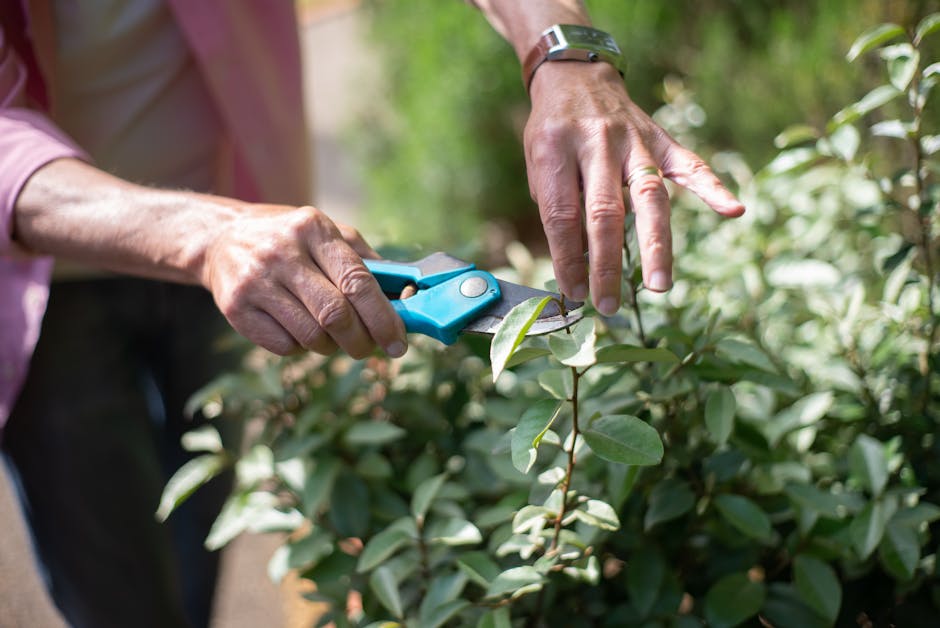
Cudham Lane South garden maintenance tips from local gardeners

If your garden on Cudham Lane South looks a bit tired after a wet week, a windy spell, or simply one too many busy weekends, you are not alone. Gardens in this part of the world need regular, sensible care rather than dramatic makeovers. That is where Cudham Lane South garden maintenance tips from local gardeners really earn their keep: they reflect what actually works in local conditions, not just tidy advice that sounds good on paper.
In practice, good garden maintenance is about rhythm. A little cutting, a little feeding, a little clearing, and knowing when to leave well alone. That balance matters more than most people think. In this guide, you will find practical local advice on lawns, hedges, borders, patios, trees, weeds, seasonal upkeep, and the small decisions that keep a garden looking cared for without becoming a second job.
Whether you enjoy doing the work yourself or you are weighing up professional help, the aim here is simple: help you keep your outdoor space healthier, safer, and easier to manage through the year. And yes, we will keep it realistic. No miracle tricks. No fluff.
Why Cudham Lane South garden maintenance tips from local gardeners Matters
Local gardens live by local conditions. Cudham Lane South can see sheltered spots, exposed runs, heavy soil in some places, dry patches in others, and that annoying mix of sun one minute and drizzle the next. That means a maintenance routine borrowed from a generic gardening blog often misses the point. What works in a flat, open estate garden may fail badly where there is a mature hedge, a sloping lawn, or a shaded boundary.
Local gardeners usually spot problems sooner because they see the same patterns repeatedly: moss creeping in under trees, ivy pressing into fence lines, lawns thinning after winter, or paths turning slick with algae. They also tend to know the practical fix before the problem gets costly. That is useful, because a lot of garden damage is slow-motion damage. You do not always notice it until a hedge has gone leggy, a patio has become unsafe, or weeds have seeded themselves for the third time in a row. Nobody needs that drama.
There is also the value of timing. A local approach means pruning at the right point in the season, mowing to suit the weather, feeding when plants can actually use it, and protecting tender growth before a cold snap rather than after. Those little choices make a measurable difference to plant health and to how much work you face later on.
For many households, garden maintenance is about more than appearance. It affects privacy, safety, drainage, access, and even how inviting the home feels from the back door. If you are trying to keep things under control rather than constantly catching up, local knowledge is a real advantage.
How Cudham Lane South garden maintenance tips from local gardeners Works
Good garden maintenance works as a cycle rather than a one-off task. You observe, clear, cut, improve, and then watch again. That sounds simple, and it is, but the details matter. A sensible routine usually starts with a quick seasonal check: what has grown too fast, what has died back, what is blocking light, and what needs attention before it becomes a bigger job.
Local gardeners often divide the work into three layers. First comes the visible tidy-up: lawn edging, weed removal, hedge trimming, leaf clearing, and patio sweeping. Second comes the health work: feeding, mulching, soil improvement, aeration, and cutting out damaged growth. Third comes prevention: checking for pests, spotting disease early, improving drainage, and choosing plants that suit the space rather than fighting the site conditions.
That prevention layer is the one many people miss. Truth be told, a garden can look fine for months and still be heading towards trouble. A blocked drain edge, a patch of compacted soil, or a climber smothering a wall can all quietly create work for later. Local gardeners tend to deal with these things before they become visible eyesores.
Another practical point: not every task needs to happen at the same frequency. Lawns need steady attention in growing seasons. Hedges may need staggered trims. Borders often benefit from lighter but more frequent weeding. Patios and decking, meanwhile, are more about periodic deep cleaning than constant fuss. The trick is matching the task to the material. Simple idea, but it saves time.
Key Benefits and Practical Advantages
There are a few clear reasons homeowners stick with a maintenance plan instead of waiting until everything looks wild.
- Better curb appeal: A well-kept garden makes the whole property feel calmer and more cared for.
- Lower long-term effort: Regular small jobs are easier than rescue work after months of neglect.
- Healthier plants: Pruning, feeding, and soil care keep growth balanced and resilient.
- Safer outdoor areas: Clear paths, tidy edges, and clean hard surfaces reduce slips and trip hazards.
- Improved privacy and shelter: Managed hedges and climbers can screen views and soften wind.
- Better use of space: Maintenance often reveals areas you could actually enjoy, not just look at.
One thing local gardeners notice again and again is that a neat garden is not necessarily a low-maintenance garden. Those are different goals. A neat garden can still be demanding if it relies on thirsty borders, fussy pruning, or fast-growing climbers. The better aim is a garden that looks good and stays manageable. That is where practical design choices matter as much as routine care.
If your garden is part family space, part wildlife corner, part lounging area, then maintenance also helps each zone do its job. Children can move around more easily. Dogs have clearer routes. Plants get more air and light. And you get fewer awkward corners full of half-forgotten pots, broken canes, and mystery weeds. We have all seen that corner. It starts small. Then suddenly it owns the whole weekend.
Who This Is For and When It Makes Sense
This kind of garden maintenance advice is useful for a wide mix of homeowners and renters. It suits people with compact front gardens, larger back gardens, sloping plots, mature hedges, or simply not enough time to keep on top of everything. If you are new to gardening, it helps you avoid costly early mistakes. If you already know your way around a border, it helps you work more efficiently.
It makes particular sense if:
- your lawn has become patchy or mossy;
- hedges are growing faster than you can trim them;
- weeds are spreading through paving or beds;
- your patio or decking has gone slippery;
- trees or climbers are shading out the rest of the garden;
- you want the space to feel easier to manage week by week;
- you are planning to sell, rent, or simply improve the home's presentation.
It also makes sense if you are dealing with a neglected garden and do not know where to begin. In that case, the smartest approach is not to do everything at once. Start with access, safety, and visibility. Then move into mowing, cutting back, and clearing debris. After that, you can decide what stays, what goes, and what deserves more attention. That staged approach is calmer and far more achievable.
If the work involves higher hedges, tree branches, awkward slopes, or access problems, professional help may be the better call. Not because you cannot do it, but because ladders, power tools, and wet surfaces are a poor mix when you are already tired on a Saturday afternoon.
Step-by-Step Guidance
Here is a practical maintenance routine local gardeners would recognise as sensible, not overcomplicated.
1. Start with a clear walkthrough
Walk the garden slowly and look for what has changed since the last visit. Check the lawn, beds, hedges, paths, walls, fences, and any container planting. A quick visual scan in morning light is often best because it shows uneven growth, dead patches, and surface algae more clearly.
2. Remove obvious obstacles first
Pick up broken branches, fallen leaves, old pots, toys, loose sticks, and any clutter blocking access. This makes every later task easier. It also helps you spot hidden issues such as rot, weed clusters, or damage to edging and paving.
3. Deal with weeds before they seed
Hand-weeding is still one of the most effective habits, especially after rain when roots come out more cleanly. Focus on joints in paving, the base of fences, and the edges of beds. If you want more guidance on a persistent weed strategy, the advice in effective weed control methods for garden beds and paving is worth a look.
4. Cut back growth in the right order
Hedges, climbers, and overlong perennials usually need attention before the lawn, because cuttings can be gathered and cleared more easily while the garden is still untidy. If hedges are part of your boundary or privacy plan, you may also find local hedge trimming support in Cudham useful when growth gets out of hand.
5. Refresh the lawn
Mow only when the grass is dry enough to cut cleanly. Take off a little at a time rather than hacking it down in one go, especially after a growth burst. If the lawn is thin, mossy, or uneven, edge it neatly and keep to a steady pattern. For more structured help, the page on garden lawn care can be a useful next stop.
6. Clear and wash hard surfaces
Patios and paths collect algae, mud, leaf stain, and fine debris. Clearing them improves both appearance and safety. On a damp morning you can often spot slippery patches just by the sheen on the stone. If that sounds familiar, patio cleaning services may save you a lot of scrubbing.
7. Feed the soil, not just the plants
Mulch beds, add compost where needed, and keep an eye on soil texture. Healthy soil is the quiet engine of a healthy garden. If your garden produces a lot of green waste, the article on turning garden waste into useful soil improvement offers a practical way to think about it.
8. Finish with a border and boundary check
Look at fences, trellis, gates, and tree canopies. A few minutes here can prevent future trouble. Once or twice a season, it is worth checking whether roots, branches, or climbers are starting to dominate. For larger growth, tree work and boundary care may need a specialist touch.
Expert Tips for Better Results
Local gardeners tend to value consistency over drama. A few well-timed habits make a huge difference.
- Mulch after weeding, not before: Otherwise you may trap weeds you meant to remove.
- Trim little and often: Small hedge cuts keep shapes neater than major seasonal chops.
- Use the weather: Dry spells are better for mowing and pruning; damp spells are better for pulling weeds.
- Don't overfeed: Too much fertiliser can create soft growth that struggles in wind and cold.
- Check hidden areas: Under shrubs, behind sheds, and along fence lines are where problems like to hide.
- Keep a waste plan: If clippings and branches are piling up, clear them promptly so they do not smother borders.
One local habit that works especially well is the "two-minute finish." Before you pack away tools, spend two minutes on the least visible detail: a straight edge, a swept path, a pruned stray stem, a pot turned upright. It sounds tiny. It is tiny. But it changes how finished the whole garden feels.
Another useful tip is to treat planting and maintenance together. If a bed is always hard to keep tidy, it may be telling you something. Maybe the planting is too dense, or maybe the ground cover choice is wrong for the spot. In that situation, stronger planting decisions can reduce future work. The ideas in ground cover ideas for UK gardens are especially helpful where bare soil keeps turning into weeds.
And if shade is the issue, don't fight it endlessly. Use climbers or shade-tolerant planting instead of forcing sun-loving species into gloomy corners. A garden should work with the site, not against it. Saves a lot of grief, really.
Common Mistakes to Avoid
Most maintenance problems come from a few repeat mistakes. The good news is they are easy to avoid once you know what to look for.
- Leaving hedge trimming too late: Overgrown hedges are harder to shape and can block light, paths, and views.
- Cutting lawns too short: Scalp cuts stress grass and leave it more vulnerable to heat and wear.
- Ignoring drainage: Wet corners lead to moss, poor growth, and muddy access.
- Using the wrong tool: A blunt blade or rough trimmer makes plants look shredded instead of cleanly cut.
- Letting ivy or climbers run unchecked: They can quickly take over walls, fences, and trees.
- Forgetting seasonal timing: Pruning at the wrong point can reduce flowering or weaken new growth.
There is also a psychological mistake people make: they wait until the garden feels "worth doing." That is backwards. A messy garden is usually worth doing because it is messy. Small, regular effort is what prevents that heavy, discouraging reset. One border at a time. One job at a time.
If ivy is already causing trouble, it is usually better to handle it early than let it root harder into masonry or fences. For that situation, practical ivy removal guidance can help you approach it more safely and methodically.
Tools, Resources and Recommendations
You do not need a shed full of specialist kit to keep a garden in shape. But having the right basics makes maintenance faster and safer.
| Task | Useful tools | Why it helps |
|---|---|---|
| Lawn care | Mower, edging tool, rake | Keeps grass even and borders crisp |
| Weeding | Hand fork, hoe, kneeling pad | Reduces strain and improves root removal |
| Hedge trimming | Shears, trimmer, gloves, eye protection | Helps shape growth cleanly and safely |
| Patio cleaning | Stiff brush, suitable cleaner, hose | Removes algae and grime from hard surfaces |
| Soil improvement | Compost, mulch, fork | Boosts moisture retention and soil structure |
| General clearing | Rake, bucket, garden bags | Makes cleanup quicker and less messy |
If you prefer low-maintenance planting, choose species and structures that reduce future work rather than increase it. Ground covers, evergreen climbers, and well-placed containers can all lower the weekly burden if they are chosen carefully. For inspiration, the article on evergreen climbers for shaded corners is a good starting point, and budget-friendly low-maintenance garden ideas can help if time and cost both matter.
It also helps to keep a simple seasonal checklist in your phone or notebook. Not fancy. Just something you can glance at when the weather changes and think, "Right, that's the next job." That little bit of structure saves a lot of mental clutter.
Law, Compliance, Standards, or Best Practice
For most domestic garden maintenance, the main concern is not complex legal compliance but sensible best practice. Still, a few points matter, especially if you are dealing with larger work, shared boundaries, or anything that could affect neighbours.
If trees, hedges, or fencing are near property lines, it is wise to check boundary ownership before carrying out major work. Over-trimming can create avoidable disputes, and it is better to pause and confirm than to assume. The same applies if branches or roots are spreading in ways that might affect structures or access. In more involved situations, it may be worth seeking help through a service such as tree surgery support, rather than trying to handle heavy growth casually.
Health and safety also matters. Use ladders carefully, wear suitable footwear on wet ground, and avoid rushing with power tools. The company's own health and safety approach and insurance and safety information are worth reviewing if you are considering professional support. For transparency on how services are booked and handled, you may also want to look at the terms and conditions, payment and security information, and complaints procedure.
Best practice also includes respecting wildlife and nesting activity, especially in more natural gardens. If a hedge or shrub is busy with birds, pause and choose timing carefully. That common-sense approach usually avoids trouble and, honestly, it is just the decent thing to do.
Options, Methods, or Comparison Table
When maintaining a garden on Cudham Lane South, the main choice is usually between a light DIY routine, a more structured DIY routine, or regular professional maintenance. Each has its place.
| Approach | Best for | Pros | Trade-offs |
|---|---|---|---|
| Light DIY upkeep | Small, simple gardens | Low cost, flexible, personal control | Easily slips if you get busy |
| Structured DIY plan | Homeowners who want consistency | Better results, more predictable workload | Needs discipline and time |
| Professional maintenance | Busy households, larger or complex gardens | Reliable, quicker, often safer for difficult tasks | Higher cost than doing it yourself |
There is no single right answer. If you enjoy the process, a structured DIY plan can be satisfying and cost-effective. If the garden has steep slopes, tall hedges, or surfaces that get dangerously slippery, outside help may be the smarter and safer route. You do not get extra points for wrestling with a 3-metre hedge in the drizzle.
For people wanting a broader service mix, it can help to compare maintenance with other related options such as garden maintenance, lawn mowing, general gardening services, and landscaping support. If you are improving boundary screening, fencing may also be part of the picture.
Case Study or Real-World Example
A fairly typical local garden might have a narrow lawn, a hedge along one side, a patio at the back, and a border that has slowly become overcrowded. Nothing dramatic. Just the kind of garden that starts with good intentions and then gets a bit out of hand by late summer.
In that kind of space, the best maintenance sequence is usually straightforward. First, clear the patio and access routes so you can move freely. Then trim the hedge lightly to restore shape and bring light back into the border. Next, mow the lawn at a sensible height and edge the sides so the space looks deliberate again. After that, tackle weeds, thin overcrowded perennials, and add mulch to keep moisture in the soil.
One local gardener might notice that the back corner stays damp and gets mossy every winter. Instead of endlessly scrubbing it, they might recommend improving drainage, reducing overhanging shade, or replacing a troublesome patch with a more suitable planting choice. Another might suggest a climber for a bare fence section rather than repeated repainting and patching. Small, practical adjustments. Not glamorous, but effective.
If the garden is badly neglected, the process is similar but slower. Start with the least risky jobs. Clear. Cut back. Assess. Then decide whether a boundary issue, tree work, or a larger redesign is needed. If you are in that situation, the guide on reviving a neglected garden gives a realistic sense of how to begin without feeling overwhelmed.
Practical Checklist
Use this checklist as a simple seasonal reset for your garden.
- Walk the whole garden and note what has changed.
- Clear debris, leaves, broken pots, and loose branches.
- Remove weeds before they seed.
- Mow the lawn when conditions are dry enough.
- Trim hedges and climbers before they become awkward to manage.
- Check fences, gates, and boundary planting for damage.
- Clean patios, paths, and decking where algae or grime is building up.
- Add mulch or compost where soil looks tired.
- Inspect for pests, disease, and weak growth.
- Adjust the plan if weather, shade, or drainage is causing repeat issues.
Expert summary: The best Cudham Lane South garden maintenance tips from local gardeners are the ones that keep you ahead of problems, not the ones that promise dramatic instant results. Stay regular, keep tasks small, and match the work to the season and the site. That is the whole game, really.
Conclusion
A well-kept garden on Cudham Lane South does not happen by accident. It comes from noticing what the space needs, choosing the right jobs at the right time, and using local knowledge to avoid unnecessary work. That might mean steady mowing, sensible hedge trimming, better soil care, or simply removing weeds before they take over the edges. Small actions add up.
If you take one thing from this guide, let it be this: maintenance is easier when it is local, seasonal, and realistic. Work with the weather, with the site, and with the pace you can sustain. That is how gardens stay usable and pleasant without becoming a burden. And to be fair, that is what most of us want from a garden anyway - somewhere calm, healthy, and easy to enjoy.
If you need a hand turning these ideas into a practical plan, explore the relevant service pages and speak with a local team that understands the area, the seasons, and the usual headaches. It can make all the difference when you want the garden sorted properly, not just tidied once.
Get a free quote today and see how much you can save.
Frequently Asked Questions
What are the best Cudham Lane South garden maintenance tips from local gardeners for beginners?
Start with the basics: clear debris, weed regularly, mow at a sensible height, and trim only what is clearly overgrown. Beginners do best with a simple routine rather than trying to perfect everything at once.
How often should I maintain my garden in Cudham Lane South?
That depends on growth speed and weather, but most gardens benefit from weekly or fortnightly checks in the growing season. Lawns and weeds usually need the most regular attention.
Is it better to do garden maintenance myself or hire a professional?
If the garden is small and manageable, DIY can work well. If you have tall hedges, awkward access, slippery paving, or a neglected plot, professional help is often safer and faster.
What tasks should local gardeners prioritise after winter?
Clear fallen debris, inspect for frost damage, cut back dead growth, check drainage, and get the lawn back into shape. Winter often leaves a few hidden problems behind.
How can I keep my garden low maintenance without making it look bare?
Choose hardy planting, use ground cover, keep borders well mulched, and reduce the number of fussy plants. A garden can be simple and still feel full and inviting.
What is the biggest mistake people make with hedge trimming?
Leaving it too long and then cutting too hard in one go. Regular light trims are much better than dramatic rescue jobs.
Why does my lawn keep getting mossy?
Moss usually points to shade, compaction, poor drainage, or low mowing height. Fixing the cause matters more than just scraping the moss away.
Can garden maintenance improve property value or sale appeal?
It can improve first impressions, outdoor usability, and the overall feel of the property. A tidy, well-managed garden often makes a home easier to present well.
What should I do if my garden feels completely overgrown?
Start with access and safety. Clear paths, remove waste, and then work in stages: cut back, assess, and improve. If it feels too much, ask for help early rather than late.
Are patios and decking part of garden maintenance?
Yes, they usually are. Cleaning hard surfaces is a big part of keeping a garden safe and attractive, especially in damp weather when algae can build up quickly.
How do I know whether my hedge or tree needs specialist attention?
If the growth is too high to manage safely, affecting neighbours, pressing on structures, or showing signs of damage or disease, specialist help is usually the better option.
What should I ask before booking garden maintenance help?
Ask what is included, how often work would be carried out, how waste is handled, and whether the team is insured and safety-conscious. Clear expectations prevent confusion later.
If you are ready to put these ideas into action, the next sensible step is to assess your garden honestly and decide which jobs will make the biggest difference first. Small progress is still progress. And in a real garden, that is usually where the good results begin.